Only 60 of the 176 decks in the library have a why now slide, and reviewers praised the ones that pointed at a change outside the founders' control. The slide answers two questions for an investor. Why couldn't this company have worked five years ago, and why would waiting another five be a mistake? The weak ones explain history or state what the investor already knows.
How I counted
I went through the 176 decks in the library in November 2026 and counted a deck if it had a why now slide before any appendix. The 60 that do have 75 such slides between them. Reviewers gave a verdict on 22 of those slides, 17 in Persuade & Raise breakdowns and 5 in TechCrunch's pitch deck teardowns, so the verdicts reflect two sets of reviewers' taste.
Why now slides reviewers praised
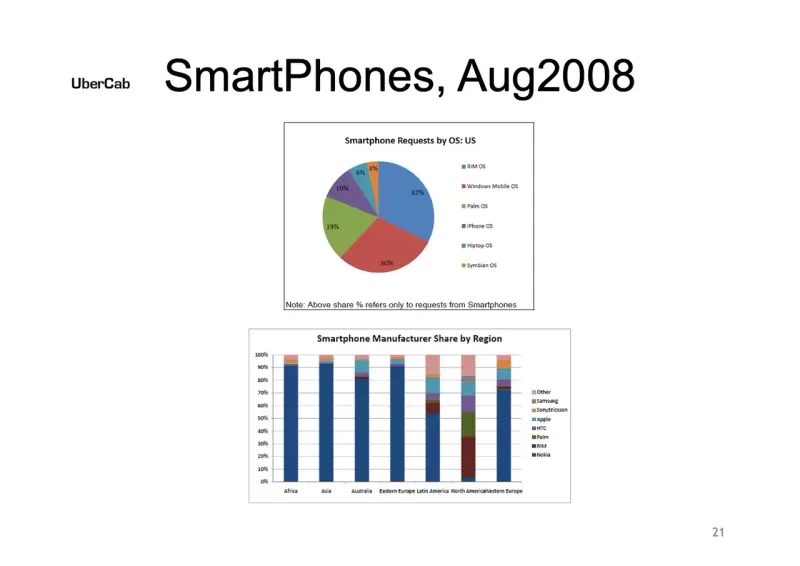
Reviewers praised 16 of the 22 why now slides they judged, and the clearest ones named a shift nobody in the room controls. UberCab's why now slide, from 2008, is about smartphones and is labelled "SmartPhones Aug 2008". The reviewer's note on that slide is four words: "SmartPhones. They're a thing." A car you call from your phone only works once people carry one.
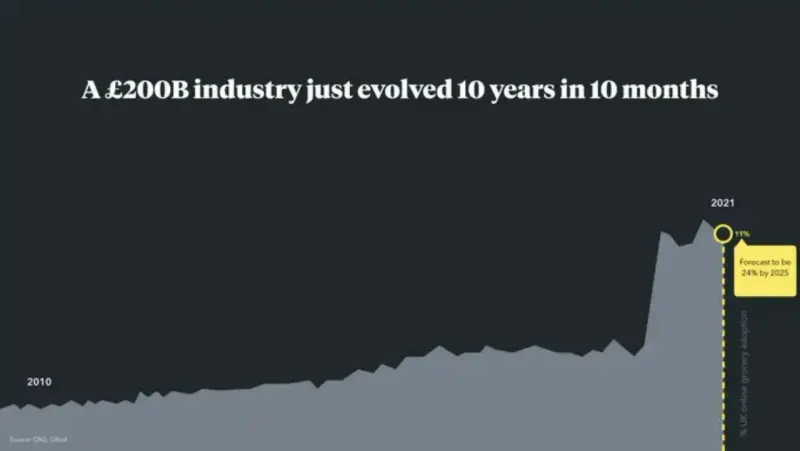
Lollipop put its why now right after the cover, with the headline "A £200B industry just evolved 10 years in 10 months". The note: "This is a compelling slide. Anytime that you can show that your company is benefiting from a trend far outside the control of one individual, it makes you seem as if you are taking advantage of […] opportunity".
Supercast went for growth in its industry: "Why now? The podcast industry is booming." The note says what the slide is for: "This is the type of Why Now that investors look for to understand why this idea hasn't been done before and why they can't just wait to see how the industry grows".
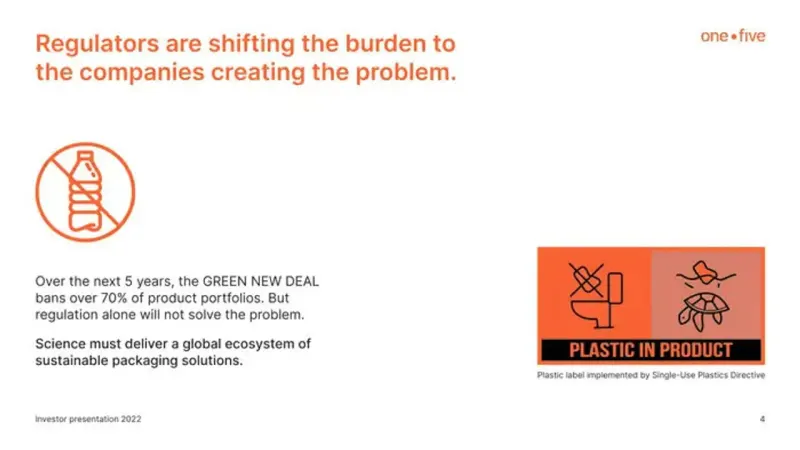
The outside change can also be a new rule. one.five's slide reads "Regulators are shifting the burden to the companies creating the problem." The note: "This is the key slide here, showing how this problem that we all understand (environmental) is becoming a realizable market opportunity." Regulation turns a problem everyone agrees on into one that someone has to pay to fix.
Two praised slides used data to answer a doubt. The Right Stuff, a dating app, showed that dating apps kept performing well in 2021. The note: "This data is important, many believe dating apps are in decline but they are not and reiterating that is key if you are building one." Zestful used its own survey of 10,000 employees, where 80% chose the lower salary with the perks. The note: "As a pre-seed company, this is a compelling slide. It answers "Why now?", provides the beginning of a chronological narrative and key customer insights."
An idea that sounds odd needs this kind of context most. elasticStage was pitching vinyl records in 2022. The note: "This type of context is needed when you are pitching a crazy idea like bringing back vinyl in 2022, contextualizing it within social and economic trends can help validate the idea."
The other praised slides got shorter notes. Dropbox's got "An overlooked slide. […] You need to explain why now so that they understand this is a company with a window of opportunity." Sora Schools' "Market Trends" slide got "this is exceptionally well done and something you could use as a template." Glambook's got "A rising tide raises all boats." and Party Round's "Investing isn't what it used to be."
Why now slides reviewers criticised
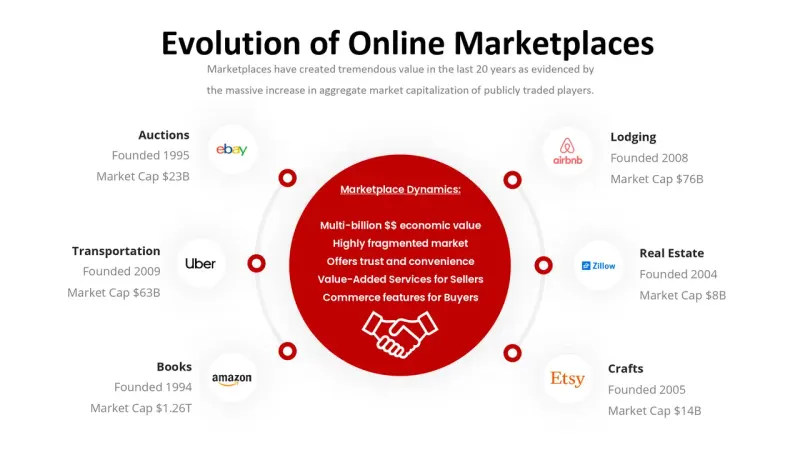
Reviewers criticised 6 of the 22 why now slides they judged, and 5 of them told the investor something they already knew or slowed the story down. MiO Marketplace opened with an evolution of online marketplaces. The whole note: "Yes, those are marketplaces."
The Right Stuff had three why now slides in a row, and the first two stated what was obvious by 2022. The first said "We're a mobile-first culture." The note: "This doesn't seem necessary. The company launched in 2022, by then, smartphones where already widespread, and online dating was the top way of meeting people." The second, "Dating's gone digital", got "This doesn't need to be here, similar to the slide before but at least the information is more relevant." The third is the praised data slide above. In one deck on one topic, the slides telling a 2022 investor that people use phones were marked down, and the slide with data against a common doubt was praised.
Two more slides held up the story. Flux's "HR's Evolution to "People"" slide drew "This is an educational slide that ultimately kills any narrative that might have been building." TeamOhana put two why now slides among its problem slides, and the note on the second one was about the whole run: "This deck is getting very repetitive, with 4/5 similar slides that are all about the same things. They aren't moving quickly enough or providing enough new information on each slide."
The sixth needed someone talking over it. Aera's "The Paradigm Shift in Healthcare" got "the text itself isn't clear so I'd hope that the pitch that accompanied it was. I'd always aim to have your slides capable of standing alone."
Education slides that worked
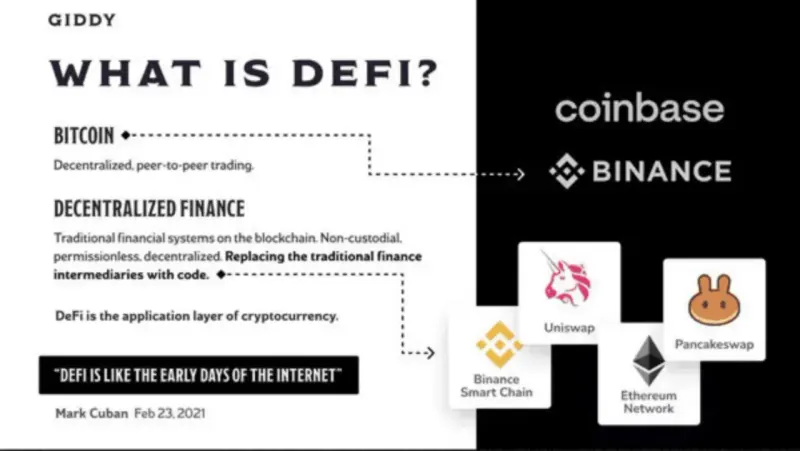
3 of the 16 praised why now slides were lessons, and each taught something a generalist investor didn't know yet. Giddy's "What is DeFi?" got "This is a great education slide. It explains the concepts visually and in simple terms. It also includes social proof to encourage someone to dedicate the time to understanding the concept." Reveel's Web3 slide got "This is a good educational slide that quickly teaches generalist VCs what Web3 offers as baseline knowledge for the rest of the deck. Typically education slides should be avoided".
History can work the same way. mmob's slide placed the company in the history of financial technology and was praised: "This is a great slide to clearly explain what the company is attempting to build and how it fits into the progressions of financial technology." MiO's marketplace history explained marketplaces, which every investor already knows, and The Right Stuff explained smartphones in 2022.
So an education slide was praised when the concept was new to a generalist investor, or when it showed where the company fit. It was marked down when it explained something the investor already uses every day.
Where the why now slide goes
In the median deck that has one, the first why now slide sits around slide 4 or 5, about a third of the way in. 10 decks put it at slide 2, right after the cover, and half had it by slide 4. The problem slide came before it in 35 of the 60 decks. 51 of the 60 use exactly one why now slide.
Position didn't decide the verdict. Lollipop's praised slide is slide 2, and UberCab's is slide 21 of 25. One reviewer did flag an early one on BoostUp, without marking it down: "I would have avoided this type of educational slide so early in the deck, but overall, for what it is, this slide is well-designed."
How many decks skip the why now slide
116 of the 176 decks have no why now slide, and 111 of those 116 are filed as funded. Revolut, TransferWise and Intercom all raised without one. Across the whole library, 169 of the 176 decks raised their round, so the slides quoted above come from winners, judged after the fact.
| Stage | Decks with a why now slide |
|---|---|
| Pre-seed pitch decks | 35% (17 of 49) |
| Seed pitch decks | 36% (41 of 113) |
| Angel decks | 14% (2 of 14) |
| All decks | 34% (60 of 176) |
Sequoia lists "Why now?" as one of the ten sections in its template. Real decks drop it more often than any other section on that list except financials. The page on pitch deck slide order shows where it sits among the other slide sections, and every deck counted here is in the library of pitch deck examples.
How I'd write a why now slide
- Name one change outside my control, such as a device, a rule or a shift in how people buy, and say why it opens a window now. UberCab, Lollipop and one.five did this.
- If investors might doubt the market, put the one number that answers the doubt on the slide, like The Right Stuff's dating app data or Zestful's survey.
- Skip anything a generalist investor already knows. Smartphones in 2022 and what a marketplace is were both marked down.
- Teach a concept only if the rest of the deck depends on it, like DeFi for Giddy or Web3 for Reveel.
- Keep it to one slide, written so it makes sense without me talking over it.
UberCab's version is the one I keep coming back to: a date and a device, "SmartPhones Aug 2008", on slide 21 of 25. You can compare it with the others, each with its image and reviewer note, on the why now slide examples page.